Taking it slow

I’m sure everyone has a “worst day at work EVER” story, but I think mine can rival the best of them. I won’t get into the technical details, but due to a perfect storm of miscommunications I ended up DELETING the high-traffic website of a prominent organization. Luckily, there were server backups, and it was only eight hours of information that was permanently lost and not years, but the client was NOT HAPPY and is billing us for time they spent checking everything over; moreover, they’ll have their eyes closely on me for the remainder of the project. Ugh, the shame.

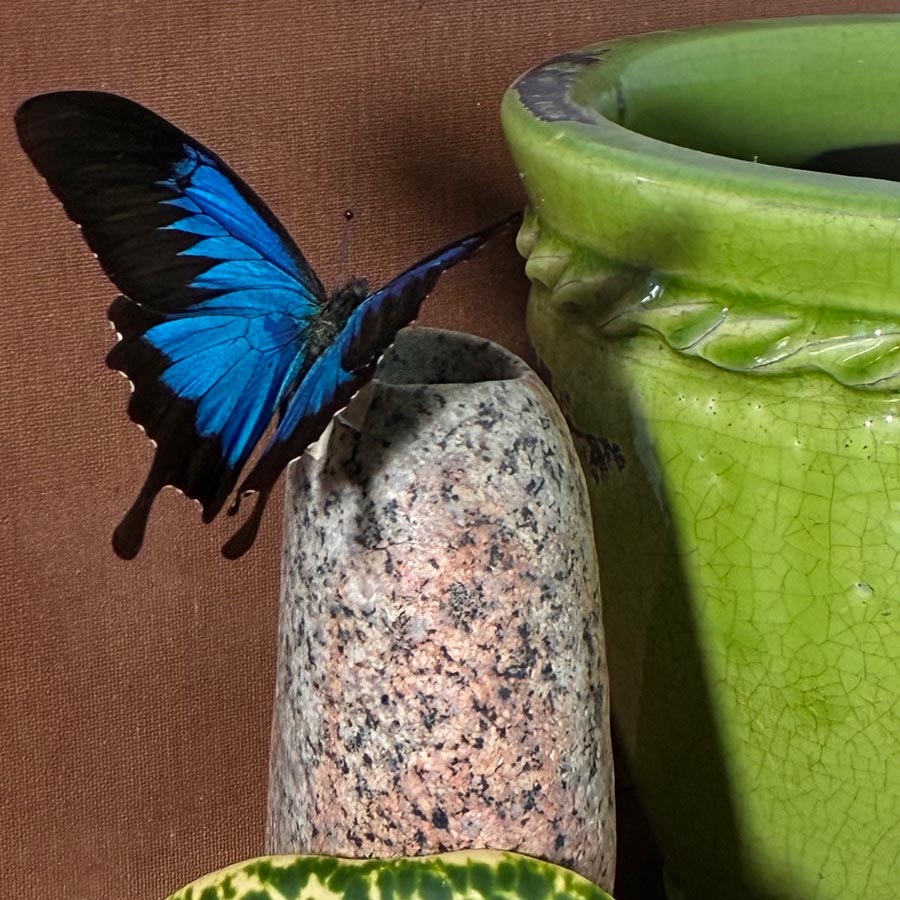
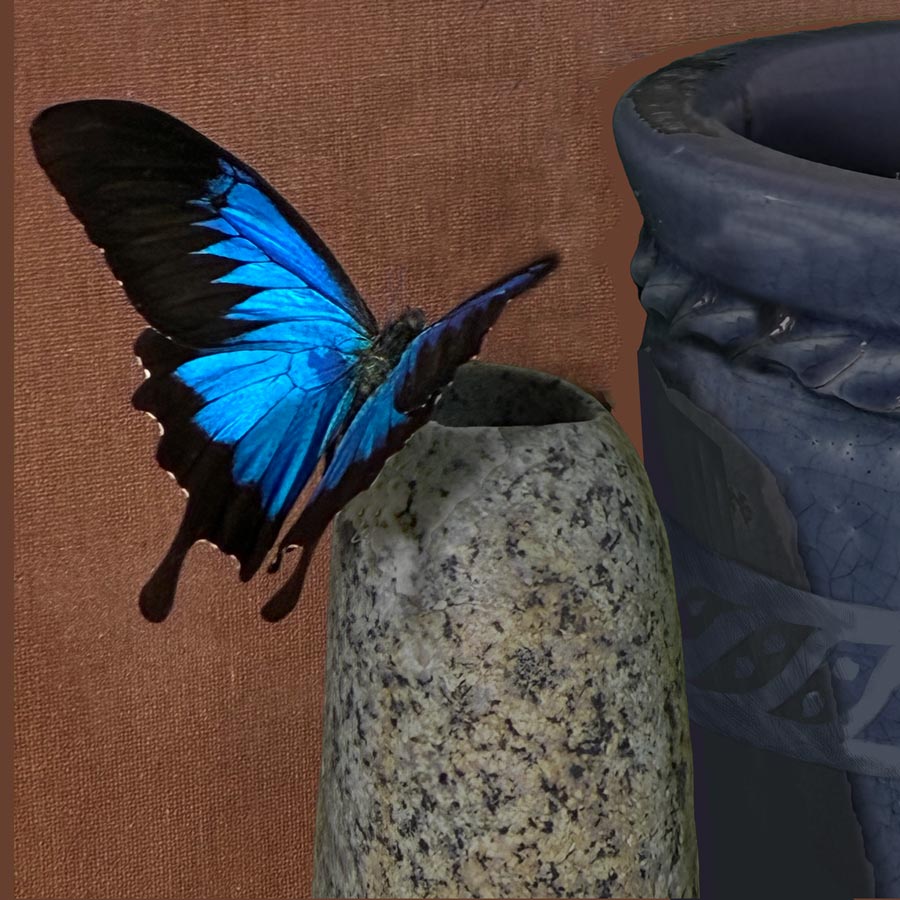
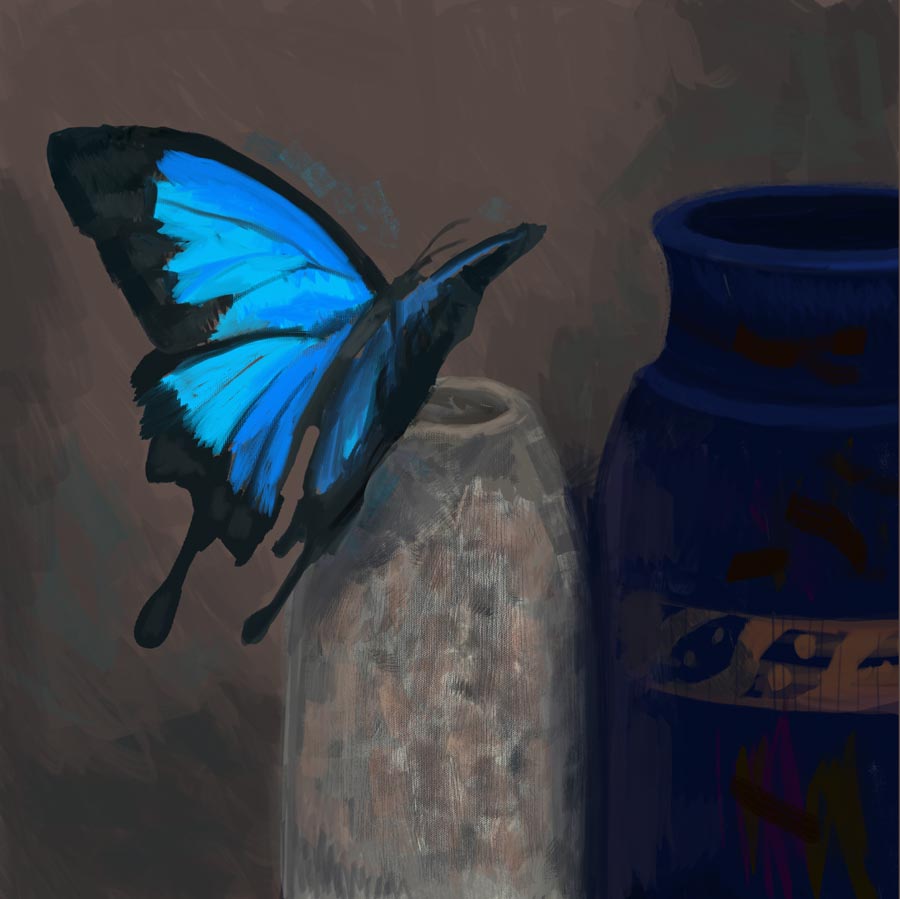
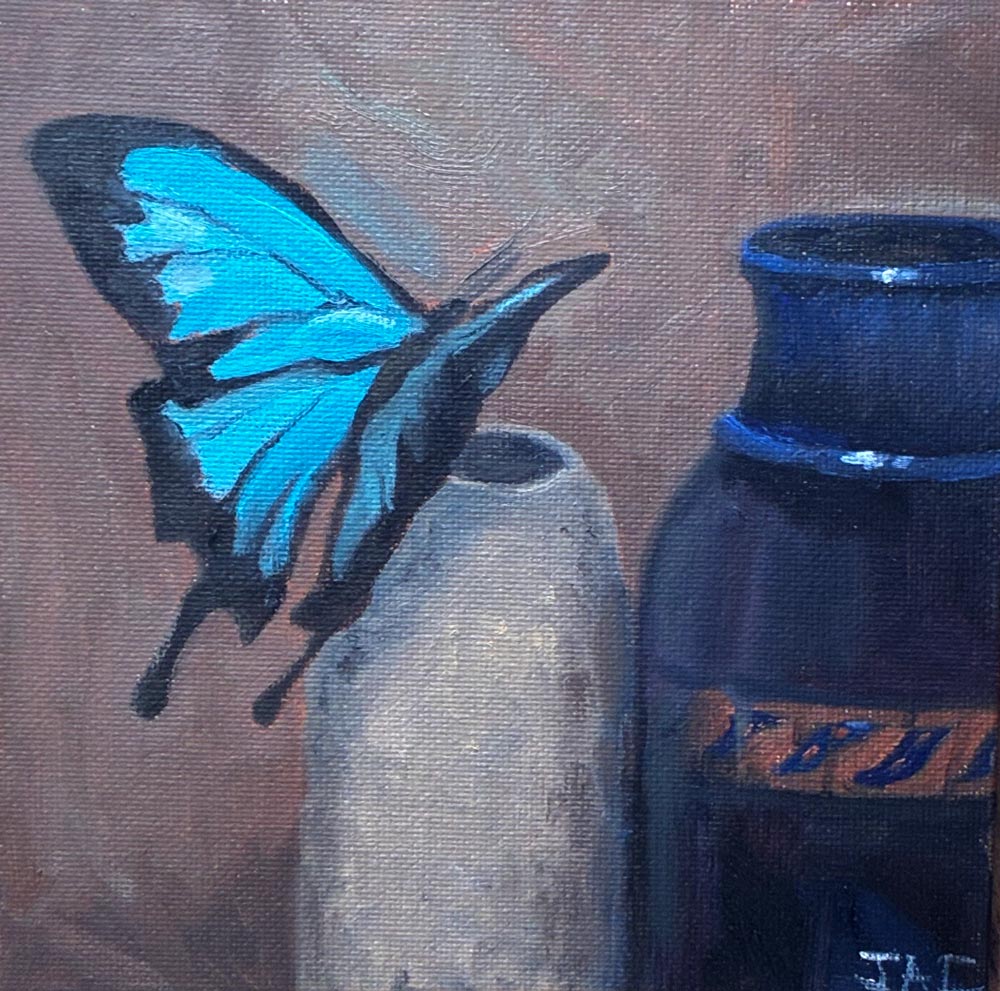
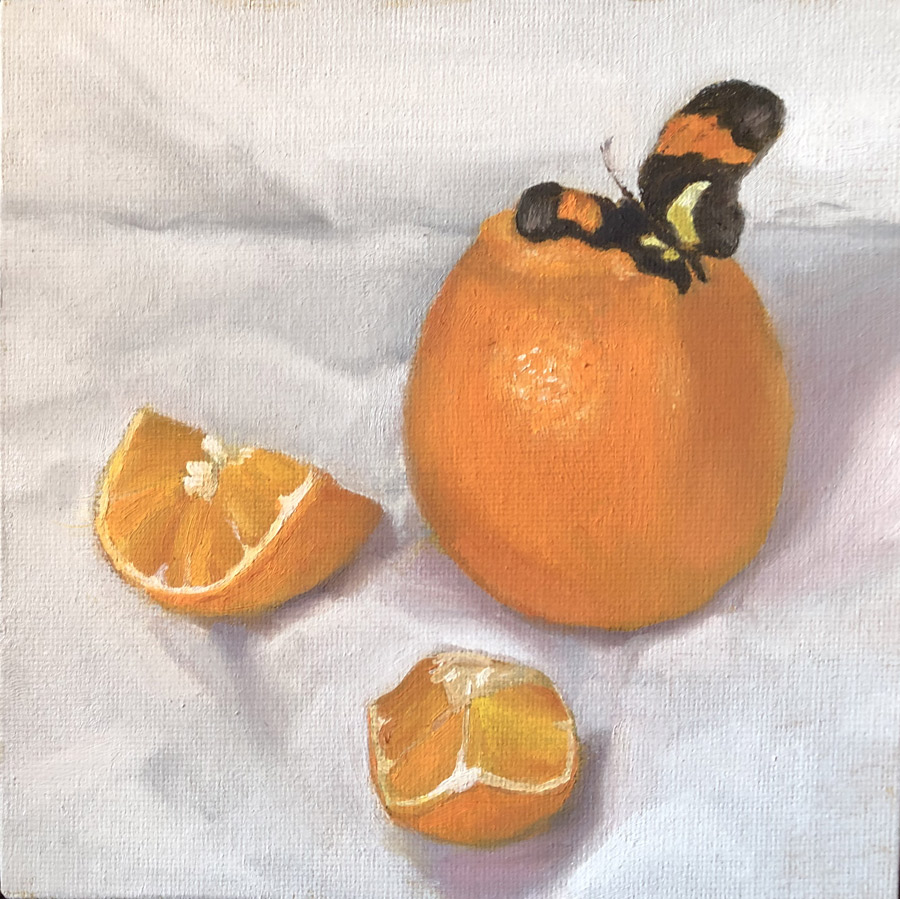
So it’s been a bit of a refuge for me to sit down and think about nothing but whether the shadow on my orange is convincing in this latest still life:

As I talked about a bit in my last post, I’m still trying to find my style… and clearly I’m looking everywhere! While I admire the Old Masters — and LOVE their color palette — I respond most viscerally to work that looks more, well, visceral — loose, raw, and emotional, even if the subject is only sliced oranges.

Unfortunately, when I try to paint alla prima in a loose, bold style, I end up with a sticky mess — it doesn’t look free and raw, it looks unfinished and incompetent. Meanwhile, the more careful work we’ve been completing in class — where we labor over each painting for weeks — ends up looking better to me. Heart-singingly better? No. But slightly less amateur.

So after setting up this still life, I painted only until I began to feel tired — no longer. Then, the next day, I fixed a bit of what I’d done and painted a bit further. And etc., and etc. And although the work looks a bit…labored… I felt loose and free because I wasn’t under the gun to stick with the dang Daily Painting credo. Now I just need to find a way to make my painting more expressive and less “tight” while actually taking it slow.

I’m also still trying to figure out what to do about light. Every morning — if I don’t close myself into my new curtained cave — there’s a moment when the sun first crests over my third-storey sills and for just five minutes or so makes the most perfect pool on my still life. When that happened, my days-old orange slices would suddenly look fresh and juicy, there would be gorgeous swaths of bright fresh sunlight mottling the sheet, and I’d rush to get my camera, only to find that it sucked the life right out of what I was seeing. I’d attempted to produce the same effect artificially — using several carefully positioned daylight bulbs — but everything I’ve tried has fallen far short. I guess I’ll just need to someday learn to paint in hyperdrive (or look over the shoulder of Thomas Kinkade). But for now, I’m taking it slow!

Things I did well:
I like the pinkish shadows that the orange was creating. I also like the two sliced oranges. They look a bit dried out, but in truth they were mummified by the time I finished.

Things I could do better:
The composition is still a bit staid. This is the part I thought would come naturally to me!
It looks as if the butterfly should be creating a harder shadow. I believe that’s a fault of the composition — the butterfly was actually pinned too far above .
The texture on the orange isn’t convincing — it looks like the side of my nose. I’m still not sure how a convincing orange texture is attained!

Street scenes in San Antonio

For spring break from my daughter’s school, the three of us joined our friends Dave and Sinee on a trip down to San Antonio, Texas, where Pete and I used to live before having Olive. Neither of us had been back for fifteen years, and Dave and his daughter never at all, so we were all essentially tourists, and did all the touristy things I never managed to do in my five years as a resident: boat shuttles on the riverwalk, SeaWorld, the Alamo.

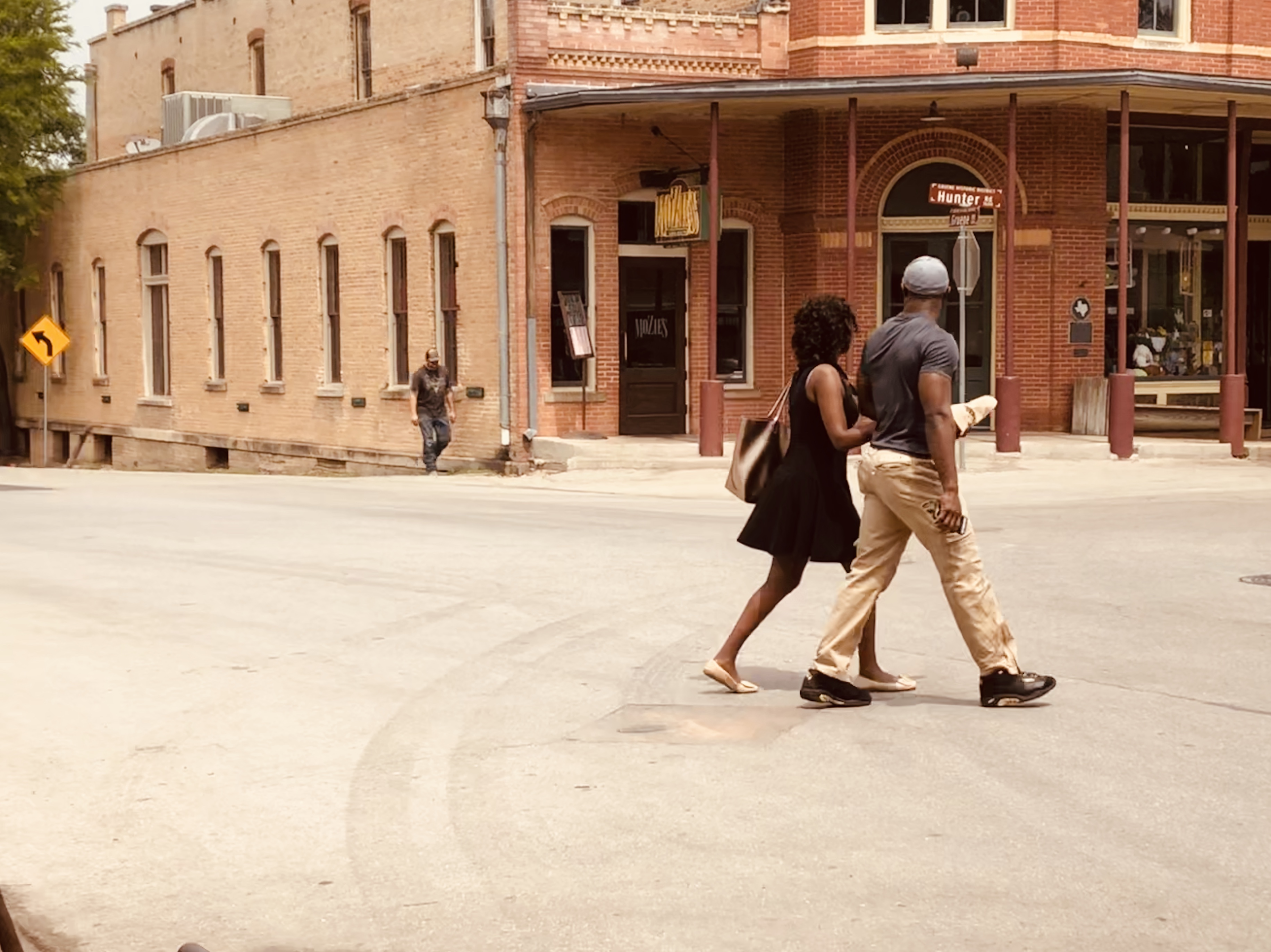
Except for my classwork, I’d been painting exclusively still lifes, and I was excited to use the opportunity of outside time in a colorful city to take some photos to paint from. As I’ve mentioned, I’m a fan of Carole Marine, especially her street scenes, and I wanted to see what I could do with similar subject matter.

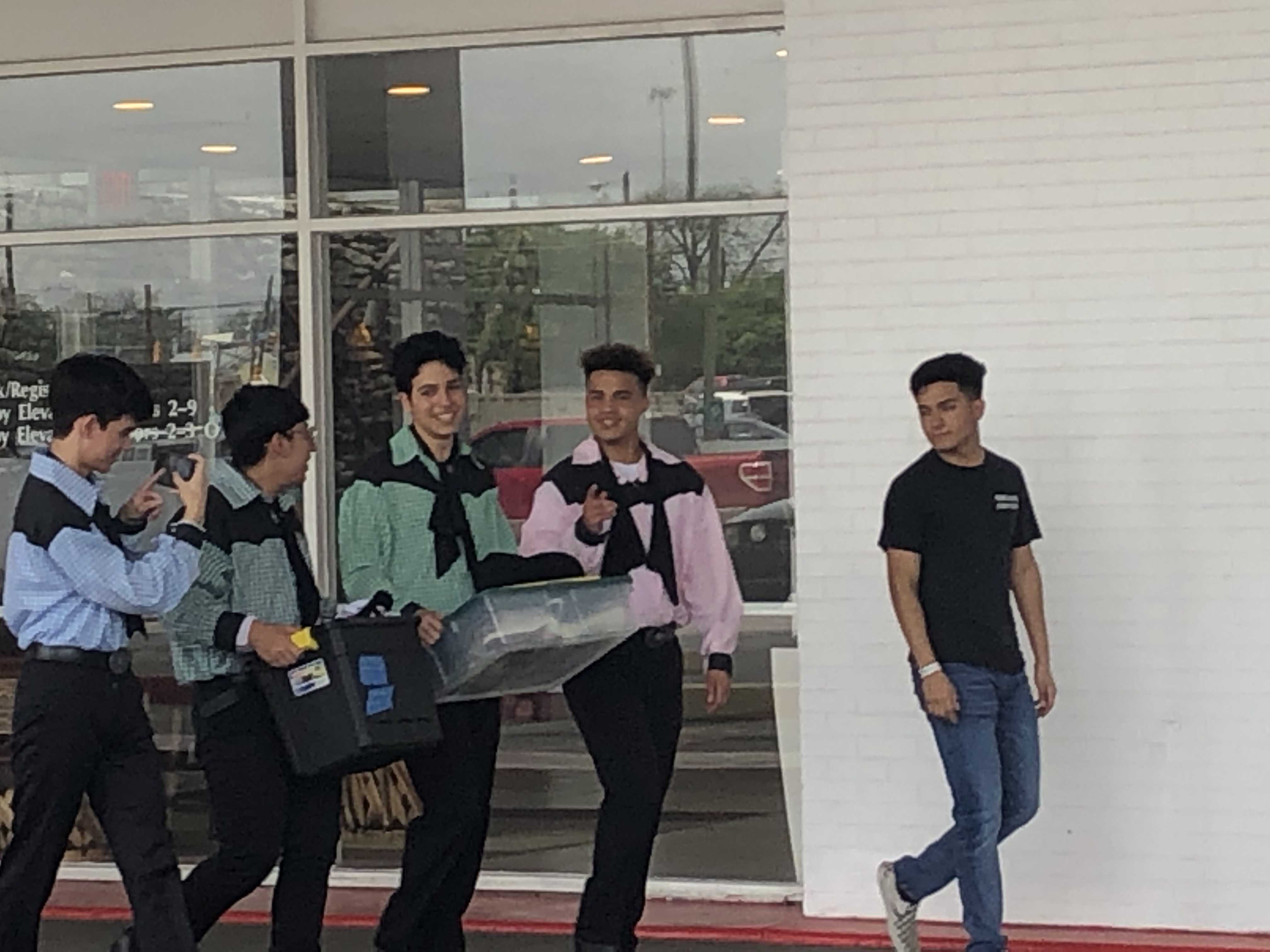
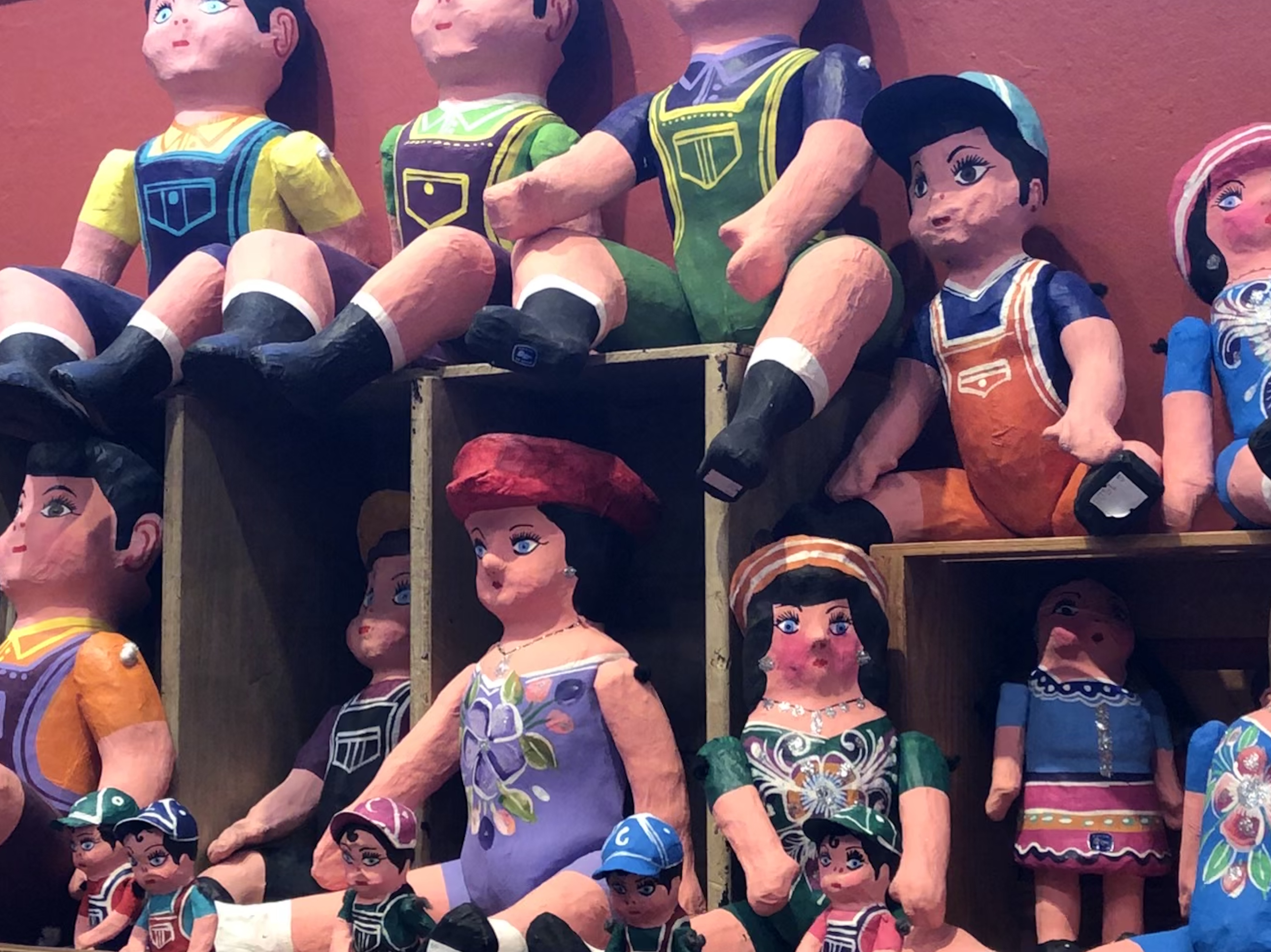
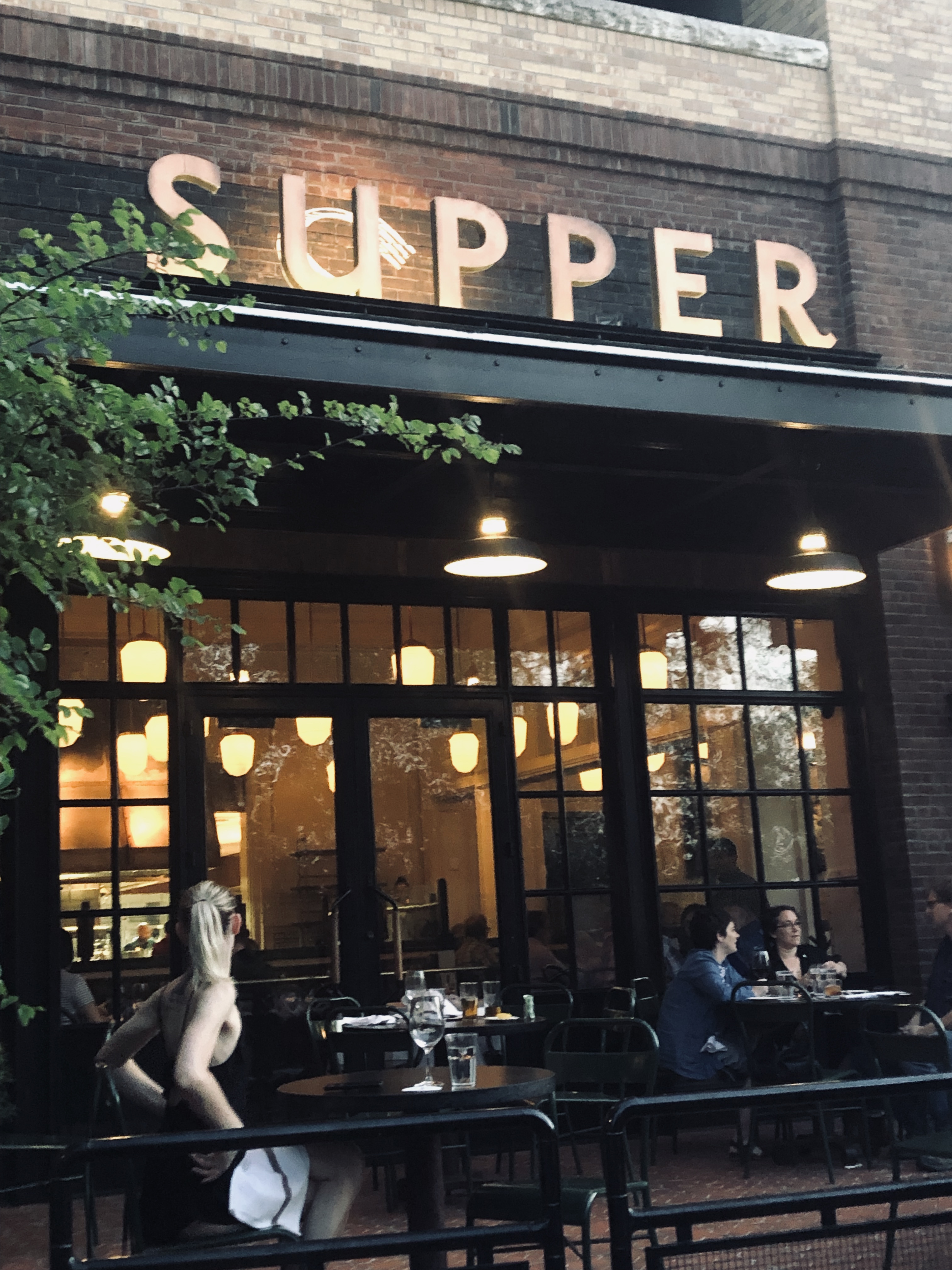
Once I got over my initial self-consciousness of feeling SO touristy (taking photos from a tour boat on the Riverwalk? Could I be any more cliched?) I did take some interesting pictures, though most wouldn’t work for my purposes:

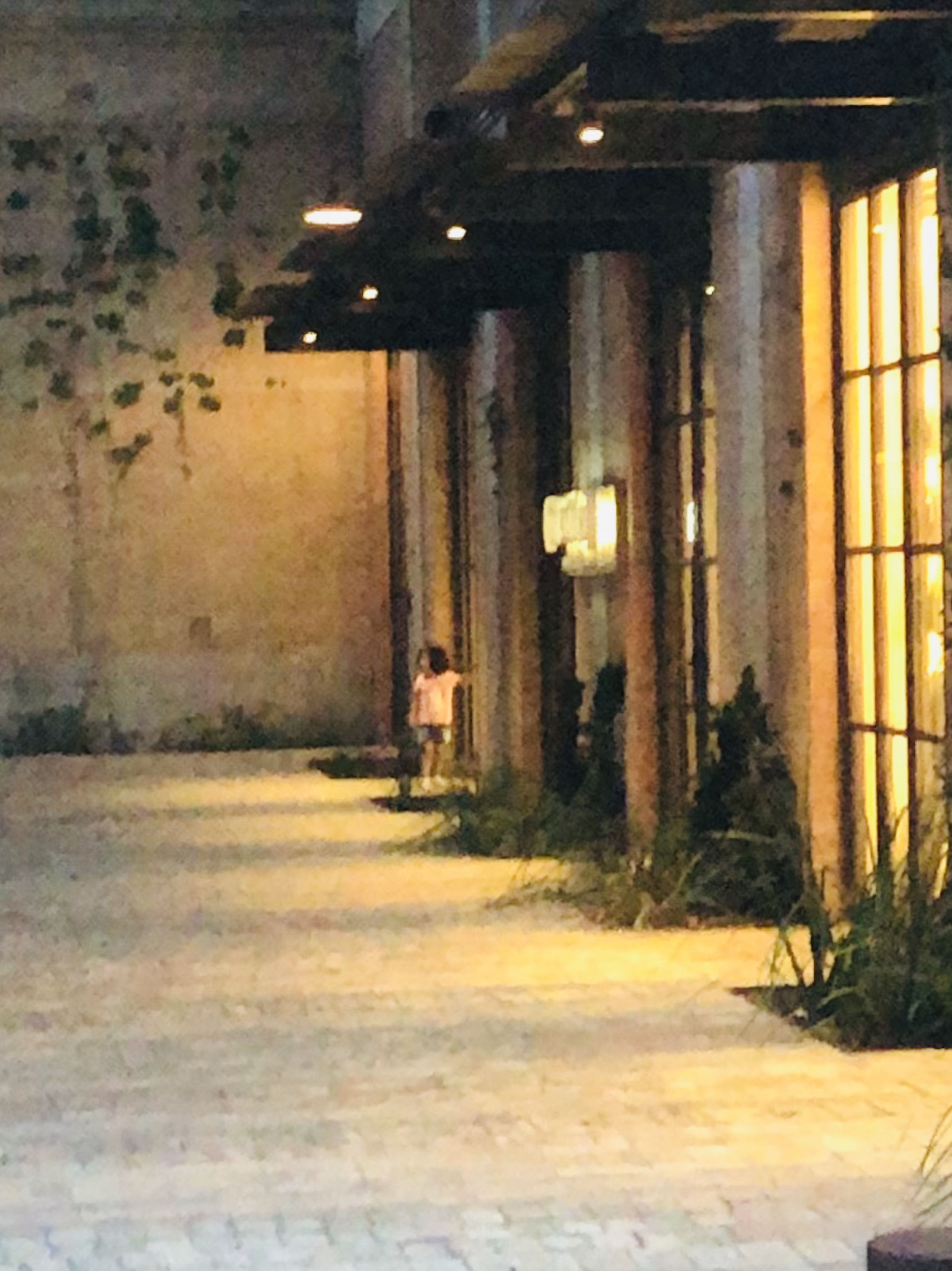
Unfortunately, I rarely take photos, and I wasn’t aware that when I zoomed in to get a good simple image with my iPhone 6, I’d end up with something like this:

This one painted itself! Nothing left to do!

When we got back from our trip, I printed out a few of the more simple ones to try (I’ve since realized I didn’t need to have a hard copy — I could just have them open on my laptop. So much easier!). First, though, I bought Carole Marine’s ArtByte tutorial on painting people. The tutorial was so simple to follow, and –like Bob Ross before her — she made it look incredibly attainable.

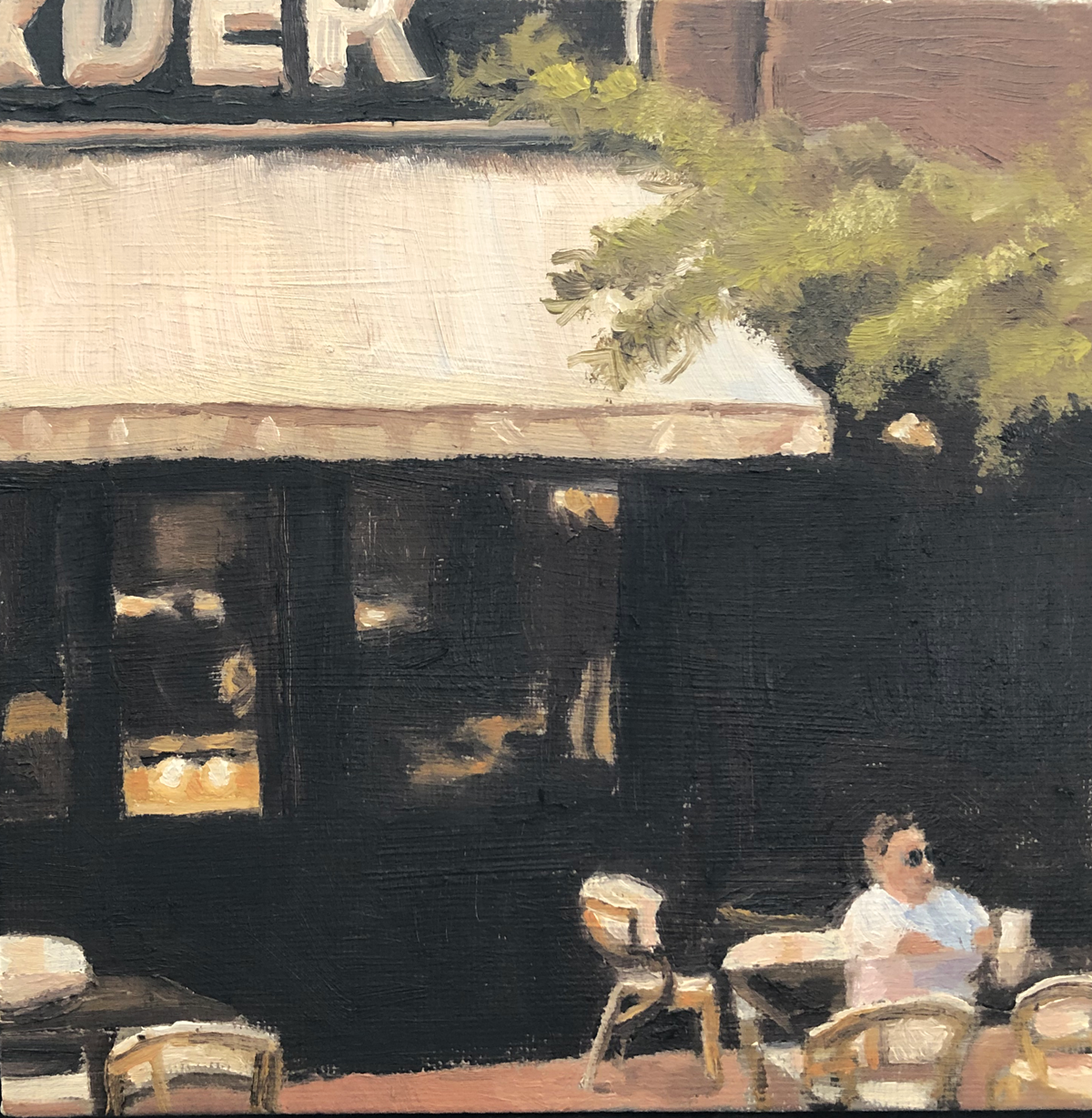
Here’s my attempt:

I’m pretty sure that where I went wrong here was in attempting to do too much in a very small space. This was only a 6″x6″ canvas, which makes the guy, and all those little chairs less than an inch high. Looking at Carole Marine’s street scene paintings again, it does look as if she limits herself to a smaller number of larger-sized people when she’s painting her small canvasses, because this kind of expressive painting just looks messy at a small size.

I also found that at this small size alla prima was really limiting. In fact, I’ve been thinking that my attempts at Daily Painting — completing a work in a small period of time, hopefully fairly regularly (though not daily) — are hurting rather than helping. When attempting to paint the details of the chairs, they were so tiny and the paint was still so wet, that it was nearly impossible to neaten it up and make my colors work the way I wanted. It would’ve made more sense to put this down for a few days and come back to it when it had dried enough to finesse it, but I felt pressured by the Daily Painting credo. I’m also wondering if attempting to paint expressively is right for me right now — I think I need to focus on trying to learn the rules before I break them!

Some rethinking to do…

Back to school!

During the time when I was kept from the gym by my splinter (now healed), and kept from my studio by Jim’s admonitions on my light situation (now fixed), I was also kept from class by… well, there wasn’t any class. It was spring break (now over).

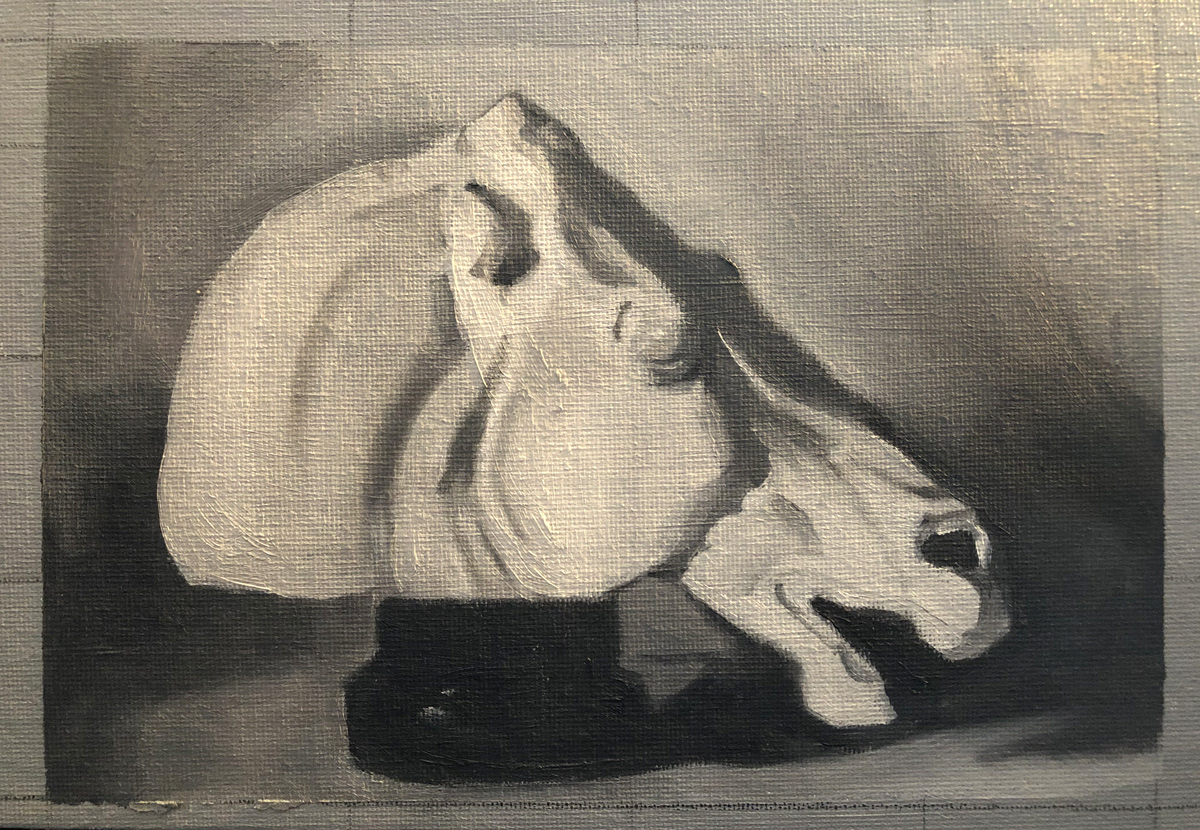
Since the assumption at The Art Academy seems to be that once you’re there, you never leave (there are people there who have been working on the same painting for years, apparently), there was no rushing to finish up the marble horse head paintings we were working on before we left before break; they were there waiting for us when we got in.

It was weird to go back to grey after my forays into color, but much much easier. I realized that I’ve been a bit lazy when it comes to color mixing at home — often I just mix something I think is in the ballpark and then go back and tweak it after the fact (that’s the beauty of oil painting — it’s incredibly forgiving). So I have been asking myself whether painting with color on my own is even a good idea — am I just teaching myself bad habits? I continue with it, though, because it’s fun, and ultimately, even if truly imperfect, I like the results much better — who wants to keep a grey painting? The last thing I want is to start feeling bored and uninspired — I figure, anything that keeps me painting on a regular basis has got to be for the best.

For this painting, we did what Jim called a “lay in”: We spent a couple of sessions painting the horse in a simplified form — blocking in the outline, background and some of the shading — and then our reference images were switched for others that had a lot more detail and we spent a couple more sessions painting those as well. The biggest issue I found was that in between session one or two of the detail work, I was given a different reference image (a common issue — I think they’re just handed out randomly in each class, and they’re all a bit different) and all the details were in different places than they were when I started them. This threw me for a loop, but Jim insisted that it really didn’t matter — ultimately, the exercise was just to practice recognizing and reproducing subtle values, as well as the process of first blocking in a simpler shape and then coming back to it for detail.

To me this felt like a big leap ahead from the box paintings we did for our last project, but completely manageable. Of course, I’ve obviously been painting on my own, but even if I hadn’t it would’ve still felt like the logical next step after shading and blurring. My nerdy self is still very excited by just how systematic this program seems to be. Looking forward to the next project!